Your facility needs consistent cleaning schedules customized for specific risks, processing volumes, food allergens, and inspection schedules, including verifiable documentation confirming HACCP requirements, compliance audits, and health department standards. The details below give guidance on sanitation program requirements.
Essential Summary
- Sanitation professionals in Brampton support restaurants, grocery departments, commissaries, warehouses, bakeries, schools, mobile vendors, and allergen-sensitive operations.
- Zone-based workflows treat frequently contacted areas, food-contact equipment, kitchens, floors, drains, restrooms, and storage areas for preventing cross-contamination.
- Recording of finalization through checks, inspections, and action records verifies trained contractors have confirmed proper chemical concentration, suitability, and exposure duration.
- Effective cleaning calendars factor in danger, output capacity, changeovers, spills, and standards when distributing regular, weekly, and periodic tasks by zone.
- Liability, coded instruments, hazard analysis knowledge, health regulatory knowledge, safety training instruction, references, and assessment-ready cleaning files are important supplier traits.
What Brampton Operations Require Food Safety Cleaning?
Food safety cleaning is necessary for any Brampton facility that manages, stores, prepares, packages, or distributes food. Apply it to your facility if it comes under health oversight, food standards, or HACCP systems. This includes dining establishments, break rooms, distribution centers, market departments, meat shops, fish areas, stores, and food prep kitchens.
Adherent hygiene cleaning is furthermore necessary in supply facilities, manufacturing operations, cold storage areas, bakery retailers, educational nutrition programs, banquet halls, and food delivery hubs. Mobile and temporary establishments apply similarly, including mobile kitchens, market vendors, and seasonal booths. Your venue needs documented cleaning protocols when your workers work with ingredients, section finished dishes, heat items, or keep allergens organized. In Brampton, cleanliness continues to be not elective; it represents lawful, operational, and customer protection adherence.
What Do Brampton Cleaning Professionals Handle?
You need skilled cleaning experts who sanitize frequently touched areas, kitchen spaces, floor areas, and bathrooms to maintain food safety and public health requirements. These locations are prioritized due to their high cross-contamination potential, slip and fall dangers, and regulatory breaches.
Knowing their service areas allows you to confirm your facility's cleaning meets required standards and regulations.
Key High-Touch Surface Sanitizing
set how often each surface is disinfected
Preventing cross-contact by changing wipes, following directional systems, and separating sanitization equipment according to zone guarantees your sanitation system stays verifiable, auditable, and inspection-ready.
Cooking Zones, Walking Surfaces, and Restroom Environments
Professional cleaners in Brampton prioritize kitchens, floors, and restrooms given that each location involves specific food safety, falling hazards, and public health requirements. In industrial kitchens, you need grease removal from cooking stations, appliance surfaces, drain systems, preparation areas, and backsplashes to minimize contamination and pest pressure.
Documented floor care is also provided as part of the service.
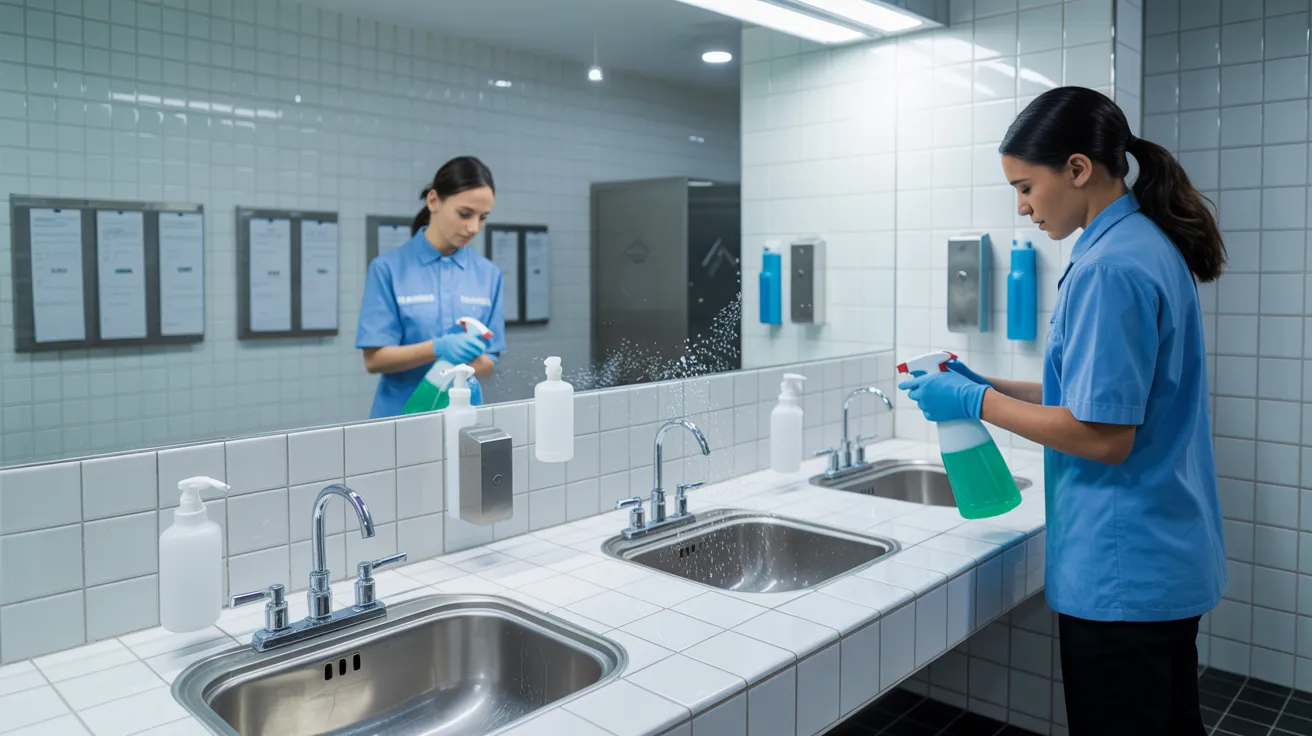
Restroom sanitation involves disinfecting surfaces, fittings, separators, dispensers, and containers, restocking supplies and controlling odours. They also service restaurant moprooms, where chemical storage, sink hygiene, and drainage conditions can affect sanitation compliance and staff safety daily.
The Importance of Food Safety Cleaning in Brampton
Brampton businesses need to establish proper sanitation practices for satisfying legal standards and obtaining approval. You also minimize cross-contamination by cleaning and sanitizing food-contact surfaces, equipment, and high-touch areas correctly. Most importantly, you safeguard public health by lowering the risk of foodborne illness in your facility.
Health Code Compliance
Since Brampton food businesses must follow rigorous sanitary regulations, your food safety cleaning directly affects your ability to meet health codes, ensure the safety of diners, and sidestep regulatory penalties. You must maintain clean food preparation areas, written maintenance records, correct sanitizer application, and traceable training practices that comply with municipal and provincial inspection expectations.
Excellent cleaning standards promotes allergen management by limiting buildup on mutual appliances plus high-touch areas. If your cleaning standards weaken, you encounter violations, compliance orders, loss of reputation, and service disruption risks during further inspections or enforcement reviews.
Cross-Contamination Control
Meeting health code standards also depends on your capacity to stop cross-contamination during routine food preparation and sanitation. You must separate raw ingredients from ready-to-eat foods, sanitize prep surfaces between tasks, and store chemicals away from food-contact items. professional guide Established guidelines minimize contamination chances and ensure ongoing adherence to health checks.
You might establish allergen separation to prevent priority allergens from contacting common areas, containers, or machinery. Use dedicated cutting boards, color-coded tools, and strict utensil labeling so team members avoid blending products during preparation or service. Mandate handwashing after handling uncooked meat, fish, egg products, or allergens. Swap cleaning rags frequently, and test disinfectant concentration using strips. When you train staff to follow these controls every shift, you create a cleaner, safer operation that meets Brampton's food safety expectations daily.
Public Health Protection
If proper sanitation declines, you don't merely face potential inspection issues—you amplify the risk of pathogenic contamination harming customers, staff, and the broader Brampton area. You also undermine your responsibility in safeguarding community wellness, especially in high-traffic food premises where pathogens travel quickly through surfaces, equipment, and touchpoints.
You must implement cleaning procedures that eliminate contaminants, properly disinfect, and verify results. This involves maintaining exposure times, utilizing authorized sanitizers, maintaining records, and training employees to fulfill compliance standards. These actions support pathogen control by reducing microbes before contaminating food or hands. In Brampton, effective cleaning shields vulnerable populations, minimizes disease spread, and demonstrates accountability. When you maintain standards, you exceed requirements—you meaningfully lower danger and promote secure food service throughout the city.
How Does Cleaning Support Food Safety Compliance?
Committing to comprehensive cleaning schedules underpins food safety compliance by reducing contamination risks, managing pathogen expansion, and ensuring your facility complies with sanitation requirements under HACCP-based programs and public health regulations. You verify that product-contact areas are visibly clean and microbiologically controlled, backing documented preventive controls and inspection readiness.
Comprehensive cleaning further strengthens allergen control by removing residues that can lead to undeclared allergen exposure. When you combine established sanitation practices with safety training, your staff can follow uniform procedures, apply approved chemicals appropriately, fill out documentation thoroughly, and address irregularities before issues intensify. Systematic cleaning enables traceability, confirms corrective actions, and proves commitment in audits. Moreover, it supports you preserve product quality, copyright operational compliance, and minimize the possibility of enforcement actions, recalls, grievances, and preventable public health risks.
What's the Best Time to Plan Commercial Cleaning?
surfaces can accumulate contamination
Establish weekly or monthly cleaning on drains, ventilation systems, storage racks, and hard-to-reach areas, based on inspection data and sanitation documentation. Reserve seasonal deep cleaning to cover shutdowns, weather-related soil buildup, or pest-pressure periods
What Should You Look For in Brampton Cleaning Experts?
Evaluate providers first by sanitation compliance standards rather than price alone. You must ensure each provider understands CFIA, public health, and HACCP-aligned expectations for your business. Request proof of insurance, WHMIS compliance, staff training documentation, and supervision methods. Check technician awareness of cross-contamination risks, chemical handling, and documented sanitation practices.
Additionally, you need to evaluate service dependability and responsibility. Obtain references from food facilities in Brampton, then review response times, corrective-action procedures, and communication practices. Verify the company conducts supplier reviews and can deliver compliance-ready records when inspectors or external parties need proof. Verify equipment upkeep, color-coded equipment are applied correctly, and site-specific hazards are identified. A qualified provider protects compliance, product integrity, and your brand reputation.
Which elements are part of a hygiene cleaning program?
Establish a documented plan that establishes every sanitation duty, standard, and accountability before production begins. You should specify cleaning intervals, permitted substances, dilution percentages, exposure times, instruments, and inspection methods for each sector, surface, and equipment. Add pre-operational inspections, corrective actions, and employee training requirements.
Your program should also cover cross-contamination controls, waste handling, pest-prevention measures, and documented schedules for restrooms, drains, floors, and food-contact areas. Explain how you'll separate raw and ready-to-eat processes, enable ingredient tracking, and ensure accurate allergen labeling through validated cleaning between product changes. You should designate accountability, keep signed records, and review results against regulatory standards, HACCP controls, and customer requirements. When gaps appear, update procedures immediately and retrain staff.
Popular Asked Questions
Are sanitation providers offered for overnight shifts in Brampton properties?
Yes, you can set up cleaning services to manage nighttime operations in Brampton facilities. You'll manage overnight sanitation around production schedules, security controls, and staffing levels. Providers generally establish nightshift logistics to minimize interruption, copyright compliance, and log completed work. You should confirm timeframes, oversight, lockout protocols, and disposal methods before service starts.
Will sanitation professionals address hazardous incidents?
Yes, you can locate several Brampton sanitation experts offering spill containment options. They handle contamination, evaluate risks, isolate zones, and execute rapid cleanup to reduce exposure and limit operational impact. You should confirm timeframes, certifications, protocols, and disposal methods. If your facility needs compliance, pick a provider that documents incidents, follows procedures, and ensures verification.
Will environmentally safe disinfectants clean safely food preparation areas?
Absolutely, natural disinfectants can be safe for surfaces contacting food when you opt for items marked food-safe and regulatory compliant. You must verify exposure duration, mixing proportions, and rinse procedures ahead of deployment. Plant based formulas minimize toxic chemical contact, though you require demonstration of efficacy against target microorganisms. For preserving residue-free areas, adhere to manufacturer instructions exactly and confirm the sanitizer complies with applicable food industry sanitation standards.
Can maintenance plans adjust with production fluctuations?
Yes, you can customize maintenance plans for seasonal production changes. You should revise intervals, staffing, chemicals, and verification steps to align with operational cycles while sustaining regulatory compliance. You'll reduce operational delays by scheduling sanitation around line changes, maximum output, and usage patterns. You should additionally update procedural documents, instruction programs, and facility monitoring to reflect seasonal hazards, novel allergens, or elevated soil levels. Regular reviews preserve your schedule efficient.
Are commercial cleaners offering employee instruction on sanitation best practices?
Absolutely, commercial cleaners frequently provide staff training on hygiene standards. Your staff gets training on proper chemical use, contact times, cross-contamination prevention, equipment disassembly, and documentation. They typically align guidance with HACCP, GMP, and CFIA or regional health authority requirements. Many conduct sanitation audits to ensure adherence, pinpoint weaknesses, and strengthen corrective measures. This helps you maintain consistent procedures, clear audits, and reduce food safety risks routinely.
Closing Remarks
Through engaging Brampton food safety and commercial cleaning specialists, you do far more than tidy—you keep your operation prepared for audits and your procedures stay aligned with regulations. From kitchen spaces to processing areas, all maintained surfaces and organized zones reduce contamination risks and avoid major losses. Through booking service at proper intervals and adhering to a comprehensive cleaning program, you ensure protection for employees, your patrons, and your good name. In a tightly controlled regulatory landscape, proper sanitation must be a priority—they are fundamental to success.